





Barnaba Fornasetti:
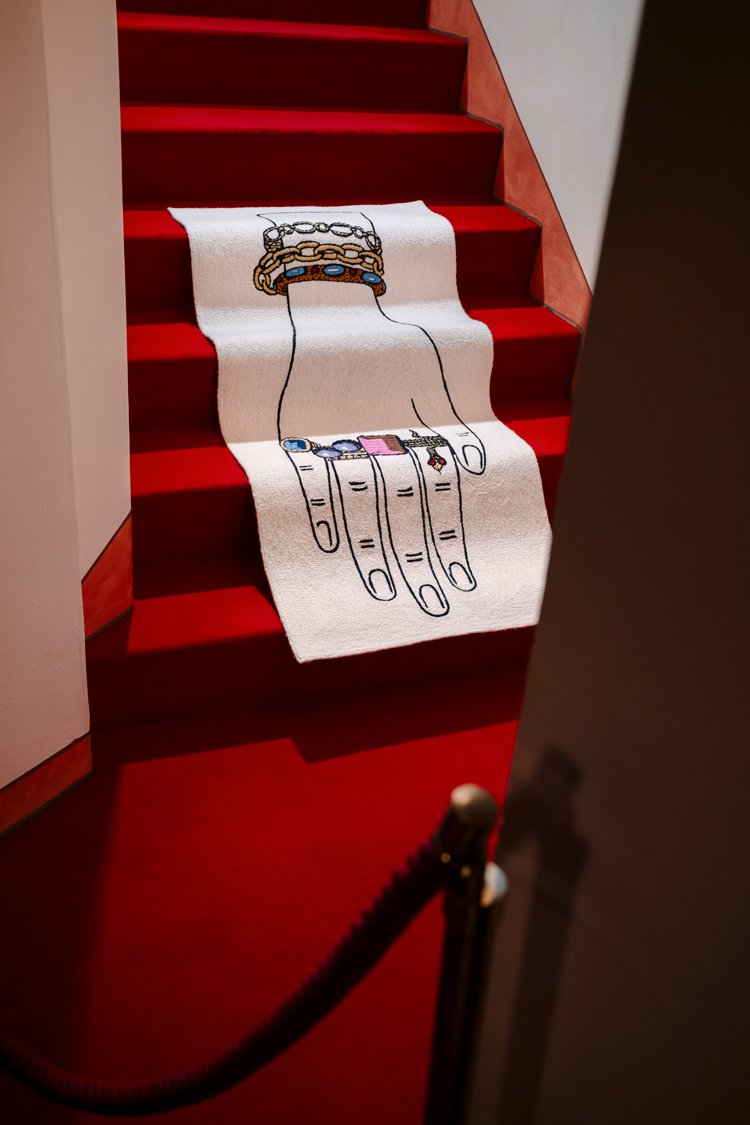
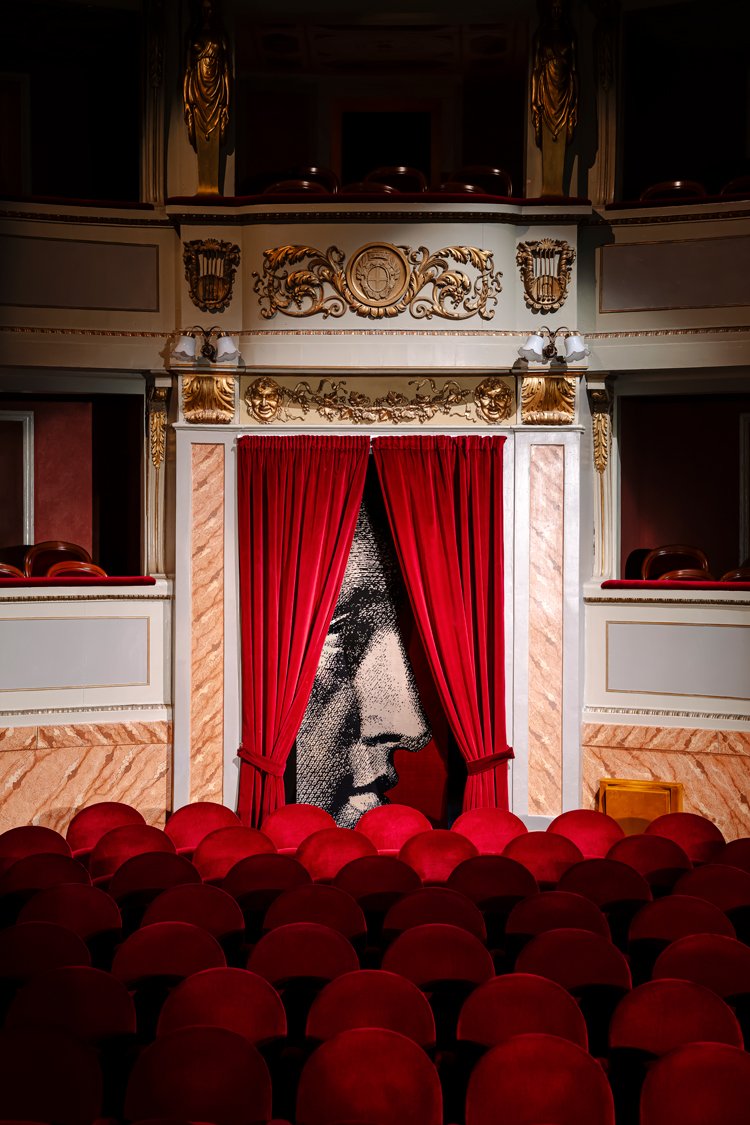
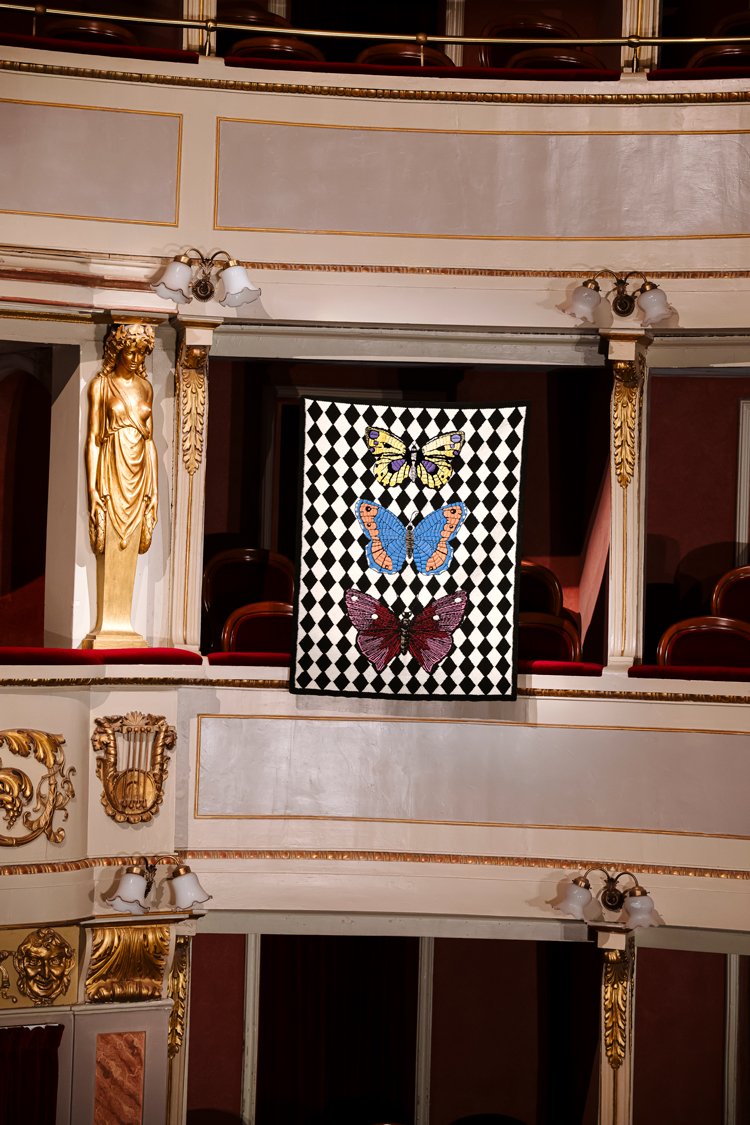
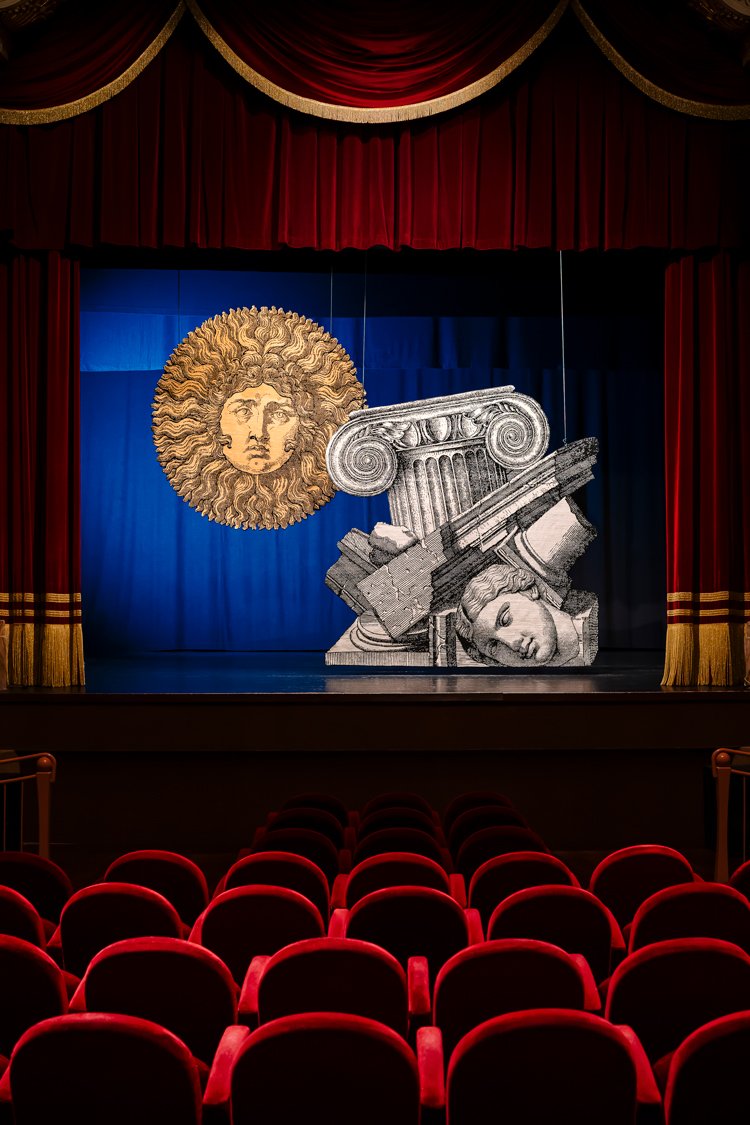
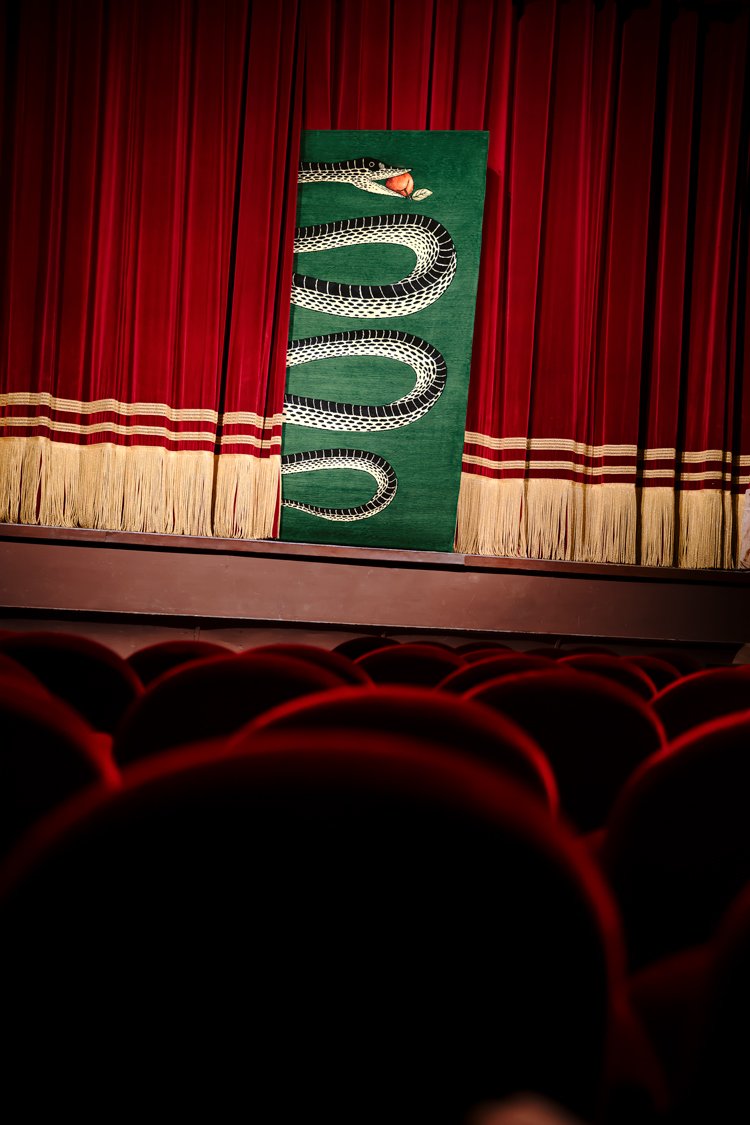
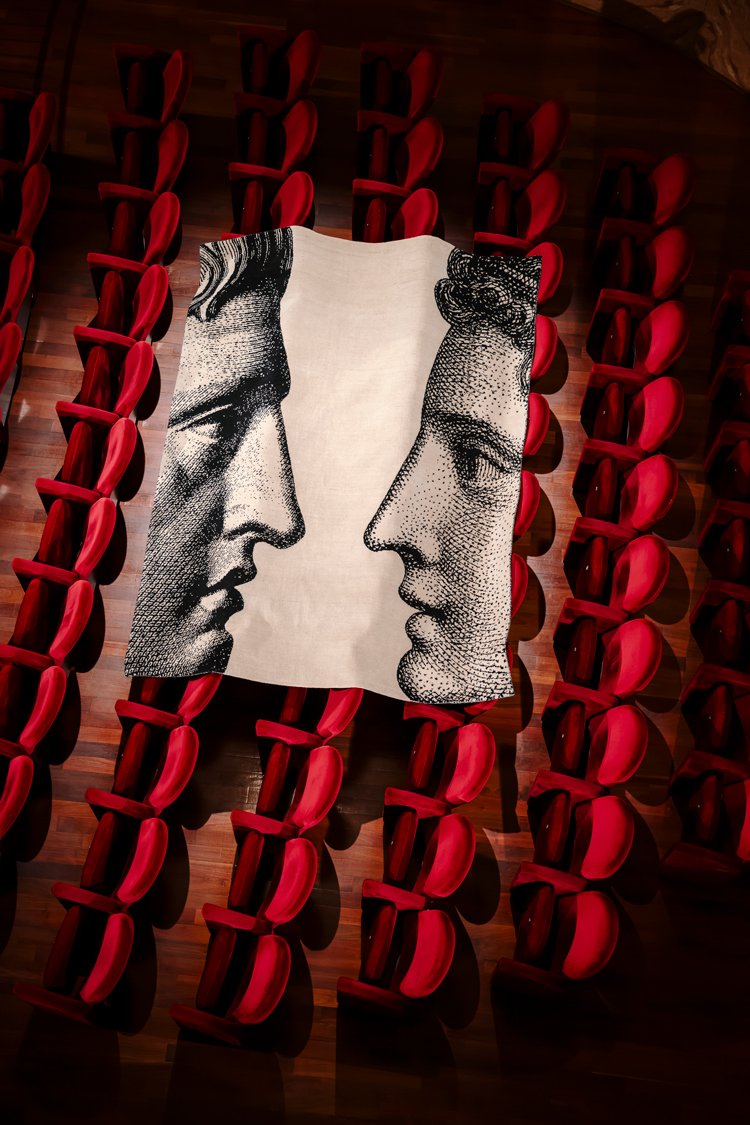
Rather than conveying a legacy, I was interested in showing how certain images can continue to live on by changing medium. Many Fornasetti motifs were originally created for furniture, porcelain, or decorative objects. Translating them into rugs meant testing them in an entirely different dimension without losing any of their visual strength. I like to think that this collection tells the story of an archive that continues to generate new possibilities.
Fabrizio Cantoni:
Being Italian, Fornasetti has always felt very close to me, so having the opportunity to work on such iconic designs was true magic.
What drew me most to this project was the idea of creating something truly timeless. The original motifs have an enduring quality that transcends trends, and by translating them into handcrafted rugs made from natural materials, we gave them a new life on a product that is also designed to last for generations.
It’s also the first time these designs have been produced at such a large scale.The change in scale transforms the way people experience them, creating a new dialogue with Fornasetti’s visual language while remaining faithful to its spirit.
Barnaba Fornasetti:
What struck me most was how naturally we were able to exchange ideas. We both have very distinct identities, yet neither of us tried to impose his own vision on the other. There were genuine curiosity and mutual respect, which made the collaboration both stimulating and effortless. The best collaborations are those in which, by the end, it is impossible to tell where one person’s contribution ends and the other’s begins.
Fabrizio Cantoni:
What surprised me most was how naturally everything came together. We developed a genuine personal connection from the very beginning, and the creative process followed just as effortlessly.
The rugs are ultimately the result of that shared understanding and creative exchange.
Barnaba Fornasetti:
We began with the extensive Fornasetti archive, selecting motifs that we felt could enjoy a new life as rugs. From there, the most interesting part of the process began: understanding how to reinterpret them through cc-tapis’ techniques. We produced numerous samples, refining proportions, textures, and colours until we found the right balance. It was a very hands-on process, shaped by constant dialogue and prototyping.
Fabrizio Cantoni:
The starting point was simply falling in love with Fornasetti’s extraordinary visual language. Before making any creative decisions, we spent time immersing ourselves in its imagery and understanding what made these designs so distinctive.
One of the most exciting aspects of the collaboration was the access to the Fornasetti archive. We explored the collection in depth and carefully selected the motifs we felt would translate most effectively into rugs.
From there, we matched each design with the technique that would best enhance its character and defined the color palette. We then produced a series of samples, refining every detail until the balance between the original artwork and the craftsmanship felt right.
Once we were happy with the results, we moved on to developing the full-scale prototypes, and from there, the final rugs.
Barnaba Fornasetti:
More than eventually made it into production. That is perfectly natural in any creative project. Some ideas work brilliantly on paper but less successfully in reality. I do not see those directions as discarded ideas; they are essential in helping you understand where the project really wants to go.
Fabrizio Cantoni:
A lot! More than I can count. And the journey is far from over. This collection is designed to evolve, and much of the work we’ve done will likely find its way into those future releases.
The creative process felt like being a child in a candy store: there were so many exciting possibilities to explore. We went through an extensive prototyping phase to understand how these beautiful deisgns would translate onto handcrafted rugs. Seeing how each motif behaved on such a tactile, artisanal surface was an essential part of the process.
I’m convinced that many of the designs we developed, even those that didn’t make it into the first collection, will eventually come to life.
Barnaba Fornasetti:
Perhaps the fact that many of our decisions were made while looking at the samples in person rather than at the drawings. A rug changes constantly depending on the light, the direction of the pile and the distance from which it is viewed. More than once we completely changed our minds simply by touching and observing the prototypes. That is something you can never predict on paper.
Fabrizio Cantoni:
Barnaba Fornasetti:
I believe that chasing novelty is the quickest way to make a project feel dated. I prefer to focus on the quality of the idea itself. If an object continues to intrigue you years later, then it has a chance of enduring. Time is always the best judge.
Fabrizio Cantoni:
I don’t really approach my work in those terms. I’ve always believed that by paying attention to every detail and creating something that carries a meaning—rather than something that is purely decorative— timelessness becomes a natural consequence.
For me, every piece should express an idea and/or tell a story. When there is a deeper intention behind a work, when it is made with care, curiosity, and genuine passion, it has the ability to go beyond trends and remain relevant over time.
At cc-tapis, we’ve often created rugs simply because they felt right, without worrying whether they would become commercial successes. That creative freedom is one of the things I value most, and I believe it is also what allows us to create pieces that are not only timeless, but that continue to communicate and tell their own stories over the years.
Barnaba Fornasetti:
I did not set out to choose the most famous motifs. Instead, I selected those that, in my view, could gain something by becoming rugs. Some designs almost seemed to be waiting for a textile surface, where texture and softness could add a dimension they had never possessed before.
Barnaba Fornasetti:
I believe there is. The real risk does not lie in changing your visual language, but in continuing to use it without repeating yourself. Every new project forces you to look at images you have known for years with fresh eyes. It is an ongoing challenge, and perhaps that is precisely what keeps an archive alive.
Barnaba Fornasetti:
His sense of freedom. My father recognised no boundaries between art, design, decoration and craftsmanship. He moved naturally from one object to another, guided more by curiosity than by categories. Today, at a time when everything tends to be classified and labelled, that way of thinking feels more contemporary than ever.
Fabrizio Cantoni:
The identity of cc-tapis lies in the way we approach each project: we don’t simply reproduce a designer’s or artist’s idea, but we transform it through our own vision, exploring new techniques, materials, and possibilities within the craft itself.
Every collaboration starts from a different creative world, but through our interpretation, each project becomes a true cc-tapis piece. That is why, even though we work with very different creatives, you can always recognize our own identity.
Fabrizio Cantoni:
For this collection, we experimented with several different techniques: hand-knotting, of course, but also chain stitch, hand embroidery, and jacquard weaving.
Perhaps the greatest experimentation came with the jacquard technique, precisely because it was a relatively new approach for us. The challenge was to find the right way to faithfully translate Fornasetti’s intricate designs while using a technique that allows for a high level of precision and detail.
Fabrizio Cantoni:
No, definitely not. The ambition from the beginning was simply to create something new and meaningful through the rugs we made.
Our approach has always been very instinctive. We have never followed a specific marketing strategy or tried to fit into a particular definition of what a contemporary rug should be. We created pieces because they felt right, because they were interesting, and because we believed they had something to say.
I’m very grateful for this definition of cc-tapis, but my personal goal has always been much simpler: to create well-made rugs that carry a message and have a reason to exist.
Barnaba Fornasetti:
The work of the people who create the prototypes. It is a stage that often goes unnoticed, yet it is crucial. They transform an idea into something tangible and, through their experience, frequently discover solutions that no drawing could ever have suggested.
Fabrizio Cantoni:
Very few people truly realize the amount of time and expertise that goes into creating an handcrafted rug. Even after all these years, I’m still fascinated every time I see a knotter at work, for me, one of the most magical parts of the process.
But perhaps even less visible is everything that happens before production begins: the research, the creative exploration, and all the decisions behind shaping a collection. A big part of the work is making sure that each project feels coherent with the world of cc-tapis, while giving each collaboration its own identity.