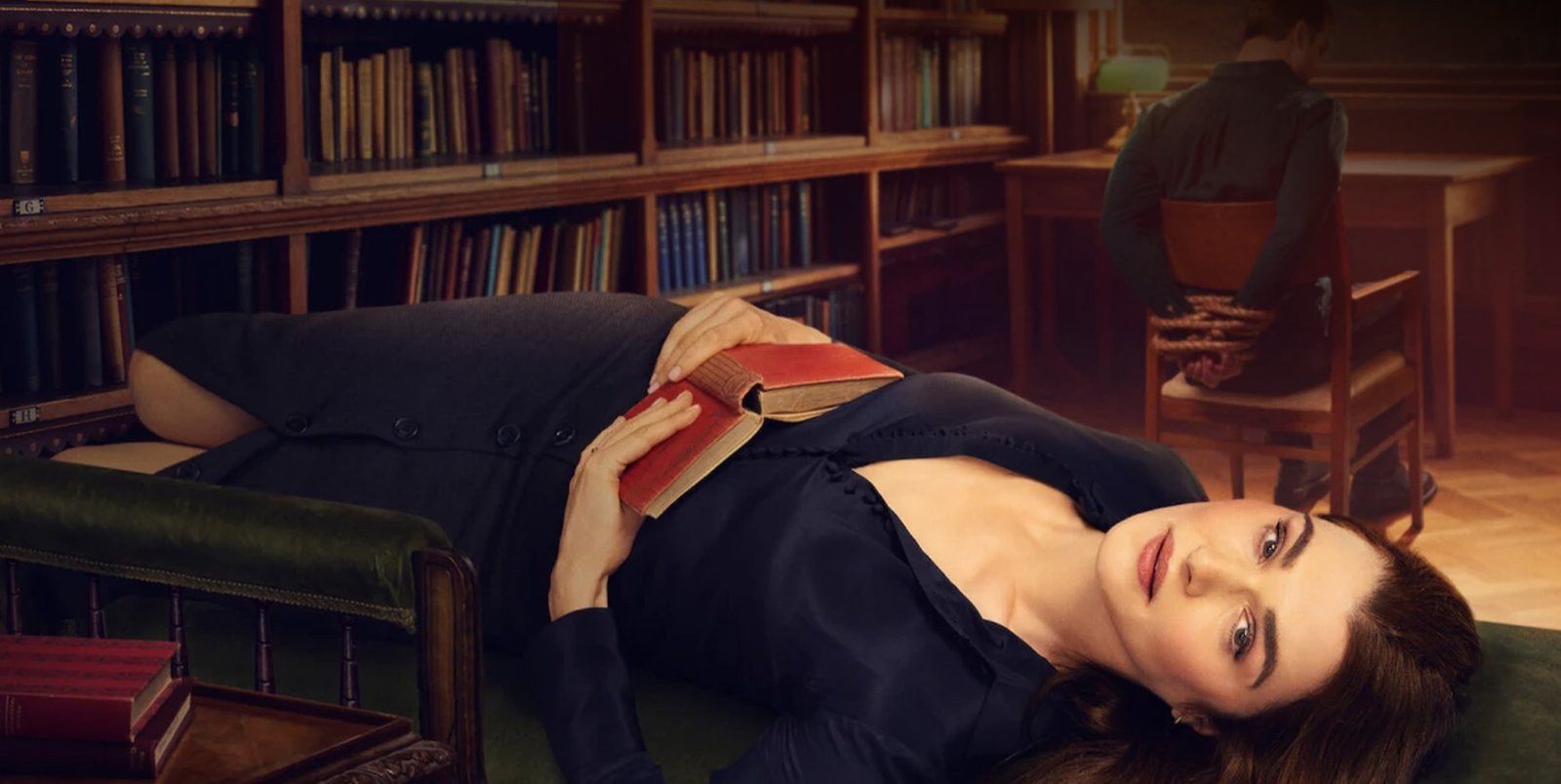
In the latest Netflix show, Vladimir, Rachel Weisz’s character doesn’t set out to unravel the neat architecture of her life. She simply stumbles upon a gaze that lingers a second too long. But in that second, something dormant, or maybe just unnoticed, begins to awaken.
On the surface, we might see and call her desire simply an infatuation. Or maybe even a middle-life crisis, or the residue of long-unhappy marriage. But we like to peek way beneath the surface. And to us, her desire is about the startling realization that our identity is infinitely more complex than the one we’ve so carefully constructed.
We like to believe we know ourselves. We tend to categorize ourselves. And file things neatly. As in, this is who I am, this is what I like, this is what I do and what I’d never do.
And yet…
A gaze. A feeling. A presence that arrives at a moment when something—however small or well-hidden—is missing or quietly aching can blur our lines. But not in reality, in curiosity. And in our wild imagination. Yes, that private theater where no one else can enter, where nothing happens that can alter our reality. And whereEVERYTHING feels as though it could.
It’s not necessarily a betrayal. Not of a partner, nor even of oneself. It can be something far more elusive: a reminder that we are not as fixed as we pretend to be.
That desire, in its most fleeting form, is less about direction and more about recognition.
It’s not an “I want you,” but rather, “Something in me responds to the way you see me.”
What we call preference, or even identity, can at times be… situational… contextual… an awakening that flourishes from a moment that meets us exactly where we are—unmet, unmirrored, or simply ready to feel something again.
The question then isn’t what we do with it.
The question is whether we allow ourselves to notice it at all.